

Don’t Delete Art: Getting to Know Their Work Countering Art censorship on Social Media platforms
The Community Series features stories of the people and projects behind the digital rights community.
Don’t Delete Art (DDA) started as a collaborative initiative by The National Coalition Against Censorship (NCAC) with the goal of countering art censorship on social media platforms.
The initiative is in response to complaints by artists — especially those whose art incorporates nudity, LGBTQ themes, political critique, or sexual themes— that have found their work increasingly downranked, removed, or their accounts banned.
In addition, the organization calls attention to a lack of transparency, consistency, and accountability in content moderation, especially with relation to artistic expression. DDA is a resource for artists who want to appeal content moderation decisions, a gallery archive for art that has been removed from social media, and a space for advocacy and freedom of expression online.
Team CommUNITY spoke with Don’t Delete Art’s Editor-at-large Emma Shapiro about algorithmic art censorship and how artists and the digital rights community can learn from one another.
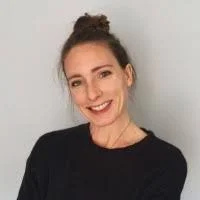
Delete Art’s Editor-at-large Emma Shapiro
From Collective Campaign to Impactful Project
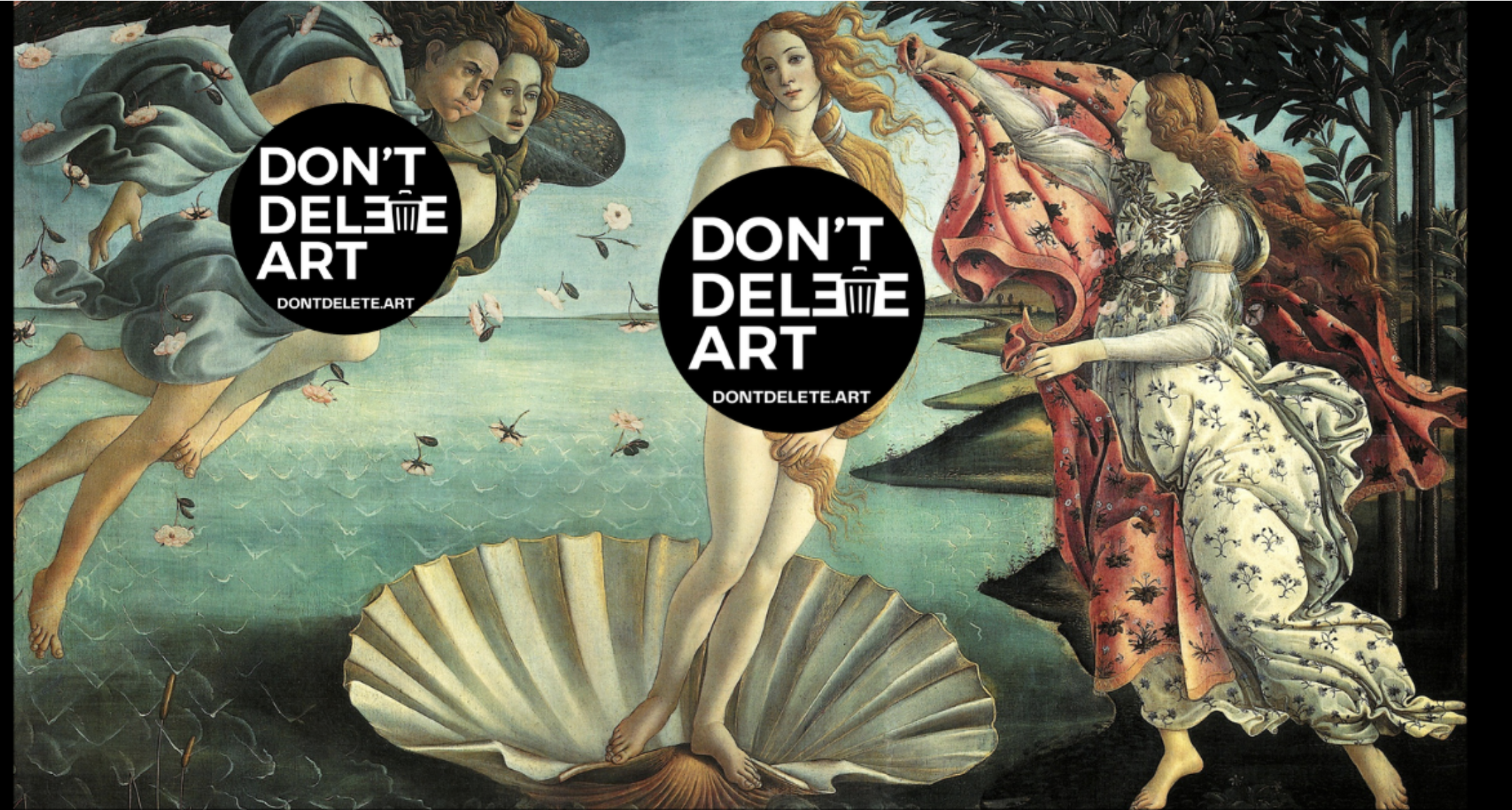
In 2020, Don’t Delete Art emerged in response to mounting concerns over the removal and restriction of artistic content on major social media platforms.
Rather than operating as a single-organization campaign, it has developed as a collaborative network bringing together advocates for artistic freedom, human rights organizations, artists, collectors, and legal experts who share an interest in protecting creative expression in digital spaces. The initiative has drawn support from a range of organizations and individuals, including Article 19, Freemuse, IBEX Collectors, and PEN America, among others.
Today, the project of the National Coalition Against Censorship’s Arts and Culture Advocacy.
Deleted Art, Deleted Lives: Platform Content Policies Are Shaping Artistic Expression Online
While First Amendment rights to artistic expression apply to the online spaces, its enforcement has been largely outsourced to the content policies of private tech companies. This means that these companies have enormous power to dictate what the public sees and, in the case of DDA, what they consider to be legitimate artistic expression.
This question of What is art? is not one that is easily answered by algorithmic ranking and recommendation systems. This is particularly true when it comes to depictions of the human body which may be perceived by machine moderation as pornographic and thus subject to potential censorship. For artistic depictions of the female body, Shapiro says there is an even higher chance that it may run afoul of content moderation policies:
“There is something telling about the fact that the nipple ban has persisted for this long and has been adapted in so many ways. This just means that women's bodies are censored twice as much as men's bodies. As an artist, it infiltrates your practice, it affects the photos you take and the videos you produce, making you create ways of self-censoring just to get them online.”
Shapiro has also seen censorship affect many friends and colleagues who have lost their livelihoods and their professional clients because of censorship.
“I knew an artist selling vintage erotica and art prints who ultimately needed to close the online shop because of being labeled pornographic, which caused online payment portals to label her high risk for which she incurred fines. She lost her vintage erotica account and lost visibility. It's like she was picked up off the street. It's not that she wasn’t popular, she was just silently removed.”
For Shapiro, the outsized effect of these content policies are not just anecdotal, they are personal as well:
“Exposure therapy is my personal project pointing out gender and body neutrality and nipple censorship. My account was removed in December. It was critical for my career as a means to point to the history of my work and how it had reached 40 countries that were talking about it. My personal CV in the body equality and body censorship space was erased because of being banned. It is not easy to explain to people what it was, and why my voice is valuable in this conversation because of that ban.
Navigating the Murky Appeal Process Across Platforms
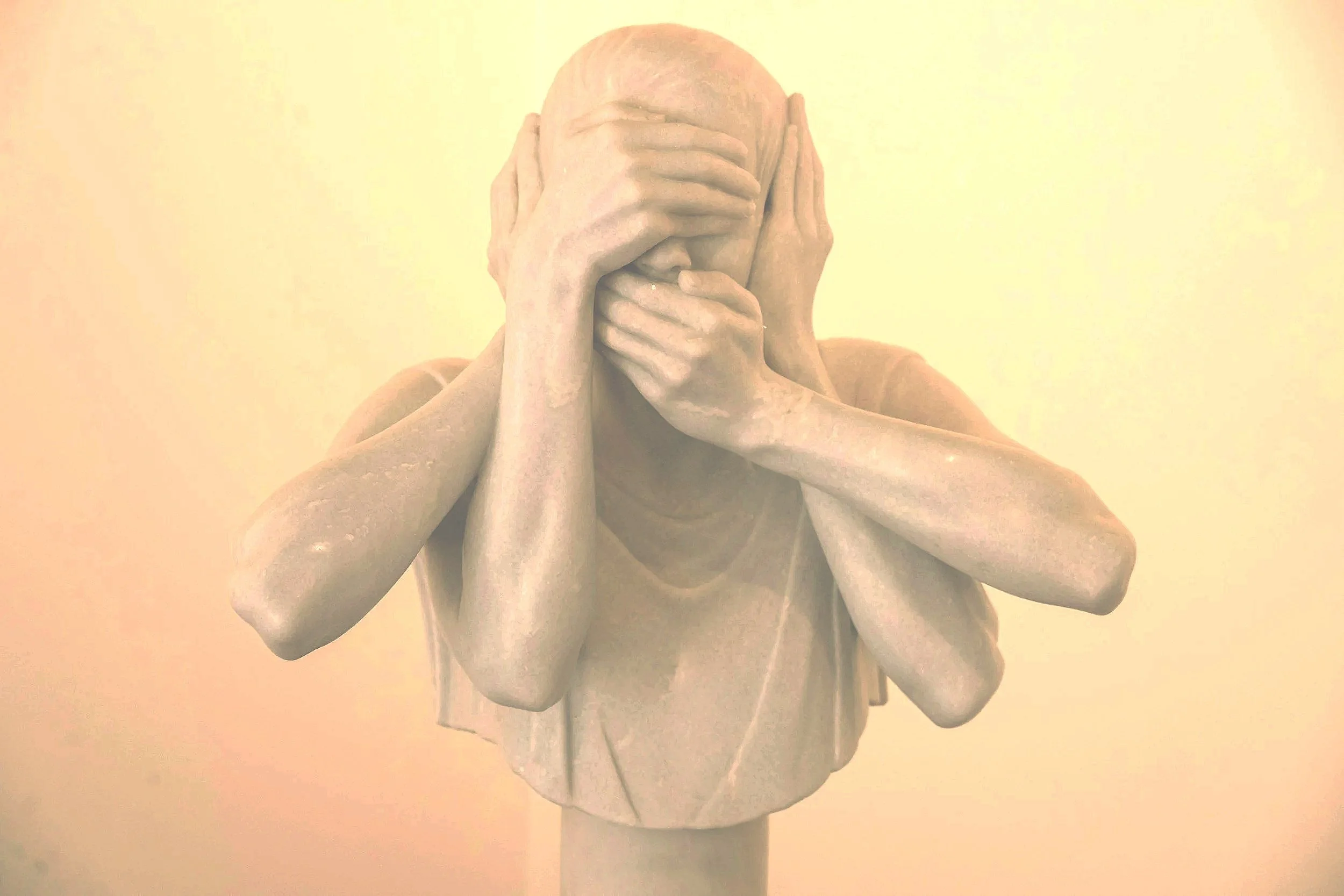
Currently, DDA serves as a digital gallery to showcase artwork that has been removed or restricted online, and allows artists to share their experiences navigating murky appeals processes across multiple platforms.
The group has also created a resource center with tips to protect artists accounts, including strategies such as cropping, contextualizing the art in captions, and using pixelation or blurs. It also provides detailed information about how to take action when your art has been removed. A process that Shapiro admits is incredibly opaque:
“The reality is that there is little information and a lot of our resources are based on trial and error. It's very difficult to monitor processes across all the platforms, so we are trying to communicate with artists as they go through the process and update the info as quickly as possible. For example, I’m following what bluesky is doing now which is basically just a process of emailing them. There is a human responding, but there is a bar for entry to make an appeal because there is no process. Eventually, it is inevitable to involve machines if they grow. We just have to trust that there will still be people in the process but we really don't know.”
Advocating on a Broader Scale for Artists and Society
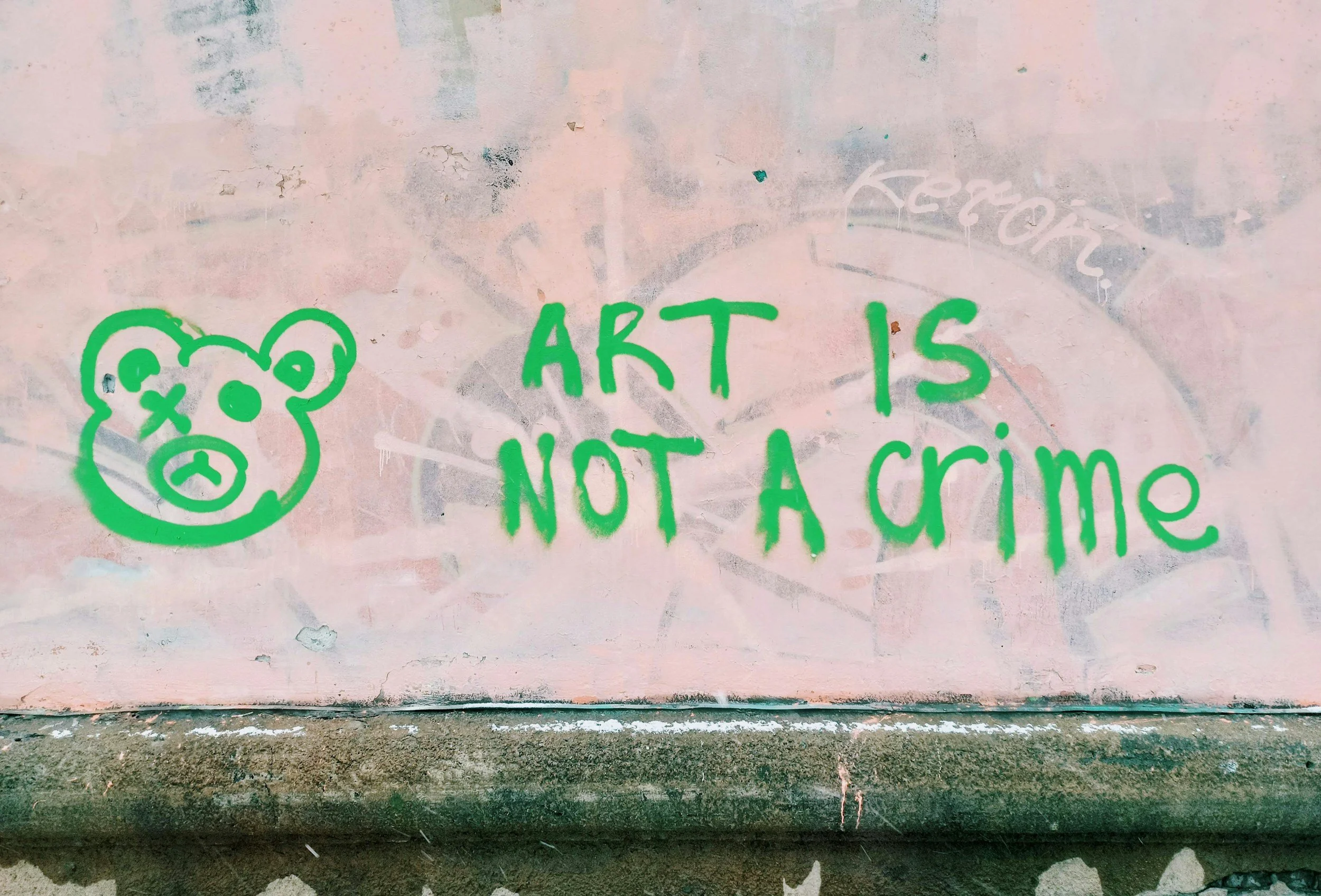
Don’t Delete Art’s manifesto says “social media corporations have become cultural gatekeepers with unprecedented power to determine which art works can freely circulate and which ones are banned or pushed into the digital margins…arbitrary or unpredictable enforcement can leave artists feeling fearful and powerless, leading some to censor their own work rather than risk losing visibility or their accounts.”
In the past, DDA has participated in successful collaborations analyzing the impact and scope of art censorship with ELLIS Alicante (ELLIS for European Laboratory for Learning and Intelligent Systems) a non-profit foundation working on ethical and responsible AI research for social good. As well as their work with Free the Nipple, a body-equality campaign, which aimed to empower artists facing censorship online for depicting female-presenting nipples.
As of June 17, 2026, DDA is officially under the National Coalition Against Censorship’s Arts and Culture Advocacy program which aims to “ track and respond to censorship reports” and “to educate and empower those in the art sphere to resist art censorship”.
For Shapiro, it’s important to give broader visibility to the work that DDA is doing online and to collaborate with other digital rights organizations abroad who are also fighting against censorship:
“The point of artwork is to challenge systems and systems of expressions. To test boundaries. Artists are suffering right now. And that means our society suffers. It’s about our communal access to culture. You, as someone who cares about culture, are losing access to that when artists’ visibility is taken away. We’re living in times when we need cultural expression to thrive. Artists are getting more educated about what this system means. We are a valuable resource. There have to be ways to extract data to better understand what is happening to artists and how that affects us all.”